When most people think of peppermint (Mentha × piperita), they picture candy canes, refreshing teas, or toothpaste.
But peppermint is far more than a culinary herb. It’s a versatile, fragrant plant with surprising benefits for health, the home, and the garden.
And here’s something you may not have considered: placing a peppermint plant in your entryway could change the atmosphere of your entire home.
This simple act blends the practical with the symbolic. Peppermint’s invigorating scent greets guests, its pest-repelling properties protect your threshold, and its symbolic meanings in many cultures tie it to prosperity, purification, and fresh beginnings.
In short, a peppermint plant by the door doesn’t just look pretty—it serves as a living guardian and energy booster for your home.
A Quick History of Peppermint
Peppermint is a natural hybrid between watermint and spearmint, cultivated for centuries for its refreshing aroma and healing properties.
- Ancient Egypt: Peppermint leaves were found in pyramids dating back 3,000 years, used in medicine and rituals.
- Ancient Greece and Rome: Mint was associated with hospitality and was used to clean banquet tables and flavor wine.
- Traditional Chinese and Ayurvedic medicine: Peppermint was prescribed for digestive troubles, fevers, and headaches.
- Middle Ages in Europe: It was used to freshen breath, whiten teeth, and ward off insects.
Today, peppermint remains one of the most popular herbs worldwide, not only in kitchens and medicine cabinets but increasingly as a decorative and functional houseplant.
Why the Entryway Matters
The entryway is the threshold between the outside world and your private sanctuary. What you place there sets the tone for your home’s energy, aesthetics, and functionality.
Placing a peppermint plant here offers unique advantages:
- First impressions: Guests are greeted by a burst of refreshing fragrance.
- Natural purifier: Peppermint filters air pollutants and repels pests before they even cross your threshold.
- Symbolism: In Feng Shui and folk traditions, mint at the doorway invites prosperity, luck, and protection.
- Convenience: You’ll have quick access to fresh leaves whenever you step outside.
10 Surprising Benefits of a Peppermint Plant in the Entryway
Let’s dive into the specific reasons this placement makes so much sense.
1. A Natural Air Freshener
Unlike synthetic sprays, peppermint provides a constant, subtle aroma that refreshes the air naturally.
As visitors enter, they’re met with a cool, invigorating scent that instantly lifts mood and clears the mind.
- The essential oils released by the leaves contain menthol, which has scientifically proven mood-enhancing properties.
- Studies show that peppermint aroma can improve alertness, reduce fatigue, and even enhance memory.
2. Pest Repellent at the Door
One of peppermint’s most practical uses is as a natural insect and rodent deterrent. The strong scent repels ants, spiders, flies, and even mice.
- Peppermint oil is often used in commercial repellents.
- By placing the plant in your entryway, you create a living, renewable pest barrier.
This reduces the need for chemical sprays and helps keep unwanted critters outside where they belong.
3. Symbol of Prosperity and Protection
Throughout history, peppermint has carried symbolic meanings that make it especially powerful in the entryway:
- Feng Shui: Mint is associated with wealth, abundance, and prosperity. Placing it by the door is said to attract positive financial energy.
- Folk traditions: Mint has long been used to ward off evil spirits and protect the home.
- Hospitality: In Greek and Roman culture, mint was a symbol of welcome, making it ideal for greeting guests.
4. Stress Relief the Moment You Walk In
The transition from the outside world to your home can be stressful. Peppermint helps ease that shift.
Its aroma:
- Calms the nervous system.
- Relieves tension headaches.
- Provides a refreshing “reset” after a long day.
Simply brushing your hand against the leaves as you walk in can release a burst of scent that relaxes you immediately.
5. A Boost for Focus and Energy
If your entryway connects to a home office or living space, peppermint does more than welcome – it energizes.
Inhaling peppermint:
- Increases focus and alertness.
- Reduces mental fatigue.
- Improves athletic performance when used before exercise.
That means starting your day by walking past a peppermint plant could give you a natural productivity boost.
6. A Handy Culinary Herb at Arm’s Reach
Practicality counts too. Having peppermint by the door means you can quickly snip a few leaves as you head out:
- Add to iced tea or water bottles.
- Toss into salads, desserts, or cocktails.
- Chew fresh leaves as a natural breath freshener.
7. Indoor Air Quality Improvement
Like many green plants, peppermint improves indoor air quality by absorbing carbon dioxide and releasing oxygen.
Some studies suggest mint plants can also reduce certain airborne bacteria.
Placed by the entryway, this creates a cleaner “buffer zone” between outdoor pollutants and your indoor environment.
8. Easy to Grow and Maintain
Peppermint is one of the most forgiving herbs. Even beginners can succeed with it.
Key advantages:
- Tolerates a wide range of conditions.
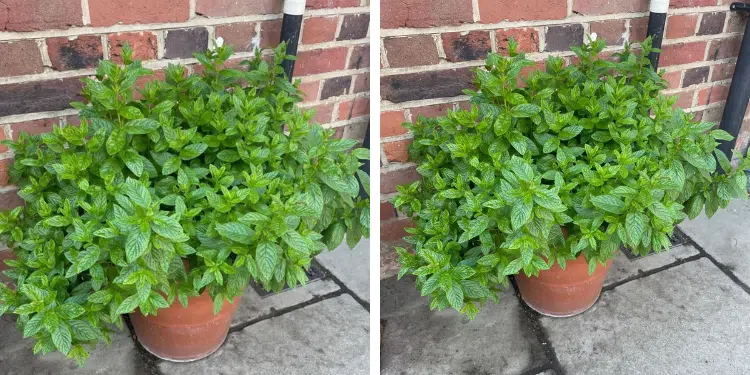
- Thrives in containers, making it perfect for entryways.
- Fast-growing and self-renewing.
As long as it gets moderate light and consistent watering, your peppermint plant will flourish.
9. Adds Beauty and Freshness to Your Decor
Peppermint may be practical, but it’s also attractive. Its lush green foliage softens hard entryway lines, adds natural vibrancy, and complements other decor elements.
Pair it with terracotta or ceramic pots for a welcoming rustic look, or sleek planters for modern homes.
10. Encourages Mindful Living
Every time you see or smell your peppermint plant, you’re reminded of nature’s power to heal, refresh, and sustain.
This small ritual – pausing to touch a leaf, inhale the scent, or harvest a sprig – can cultivate mindfulness and gratitude in daily life.
How to Grow Peppermint in Your Entryway
Now that you know the benefits, here’s how to grow it successfully.
Light
- Prefers bright, indirect sunlight.
- Can tolerate partial shade (especially helpful if your entryway doesn’t get full sun).
- Avoid harsh direct sunlight through glass, which may scorch leaves.
Soil
- Needs moist, well-draining soil.
- A mix of potting soil with added compost works best.
Watering
- Peppermint loves moisture but not soggy roots.
- Water when the top inch of soil feels dry.
- Mist occasionally to boost humidity if indoors.
Container Tips
- Always use a pot with drainage holes.
- Since peppermint spreads aggressively, containers keep it under control.
Pruning
- Regularly pinch or trim stems to encourage bushy growth.
- Harvest often – it stimulates fresh leaves.
Winter Care
- Indoors: Place near a sunny window.
- Outdoors in cold climates: Bring pots inside or cover them during frost.
How to Use Peppermint Leaves
Once your entryway peppermint is thriving, you’ll have a steady supply of fresh leaves.
Here are practical uses:
- Herbal Tea: Fresh peppermint tea aids digestion, reduces stress, and clears sinuses.
- Infused Water: Add to a water bottle for a refreshing drink on the go.
- Cooking: Use in salads, desserts, marinades, and sauces.
- Cocktails: Mojitos and mint juleps taste best with freshly picked peppermint.
- Skin Soother: Crush leaves and apply to insect bites or minor skin irritations.
- Natural Cleaner: Combine peppermint leaves with vinegar and water for a homemade spray.
- Aromatherapy: Rub a leaf between your fingers and inhale for instant energy.
Symbolism and Feng Shui of Peppermint
Placing peppermint in your entryway isn’t just practical – it carries symbolic power.
- Wealth and abundance: Mint has been historically tied to prosperity.
- Purification: Cleanses negative energy entering the home.
- Hospitality: Signals warmth and welcome to visitors.
- Balance: Its cool, refreshing energy harmonizes the household.
In Feng Shui, herbs in the entryway are said to attract good fortune and prevent negative chi from entering. Peppermint, with its strong scent and vibrant growth, is particularly auspicious.
Common Problems and Solutions
Even though peppermint is hardy, a few issues can arise:
- Yellow leaves: Usually from overwatering. Let soil dry slightly between waterings.
- Leggy growth: Not enough light. Move closer to a bright window.
- Pests (like aphids): Spray with diluted soapy water or neem oil.
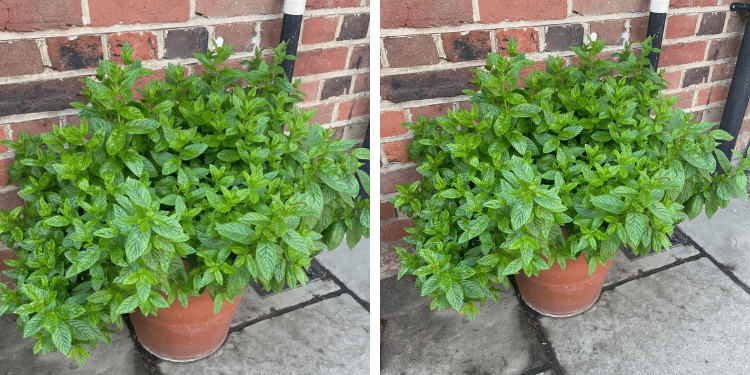
Placing a peppermint plant in your entryway is more than a decorative choice – it’s a lifestyle upgrade.
This humble herb greets you and your guests with freshness, protects your home from pests, symbolizes prosperity, and supports your health in countless ways.