If you live in a dry region – or simply want a low-maintenance, water-efficient garden – choosing the right plants is everything.
Drought-tolerant plants are specially adapted to survive with minimal water. Many have:
- Deep or extensive root systems
- Thick, waxy, or silvery leaves that reduce water loss
- The ability to store moisture (like succulents)
These plants don’t just survive in tough conditions – they often thrive, producing color, texture, and even fragrance with very little care.
Whether you’re building a xeriscape garden, rock garden, or low-water landscape, the following plants are reliable, beautiful, and highly adaptable.
Why Choose Drought-Tolerant Plants?
Switching to drought-tolerant plants offers several long-term benefits:
- Reduces water usage and costs
- Requires less maintenance
- Improves soil resilience over time
- Supports pollinators and biodiversity
- Handles heat and climate stress better
Once established, these plants often need very little intervention, making them perfect for busy gardeners or challenging environments.
1. Golden Barrel Cactus – Structure, Strength, and Longevity
The golden barrel cactus is one of the most recognizable drought-tolerant plants, known for its perfectly rounded shape and ribbed surface covered in golden spines.
What makes this plant so resilient is its ability to store water inside its thick tissues. During dry periods, it slowly uses these reserves, allowing it to survive for long stretches without rainfall.
Over time, it becomes a focal point in the landscape. It grows slowly but steadily, maintaining its shape and requiring almost no maintenance. In warmer climates, mature plants produce bright yellow flowers at the top, adding a subtle seasonal display.
This cactus works especially well in rock gardens or minimalist landscapes where structure and form are just as important as color.
2. Aloe Vera – Functional Beauty with Practical Benefits
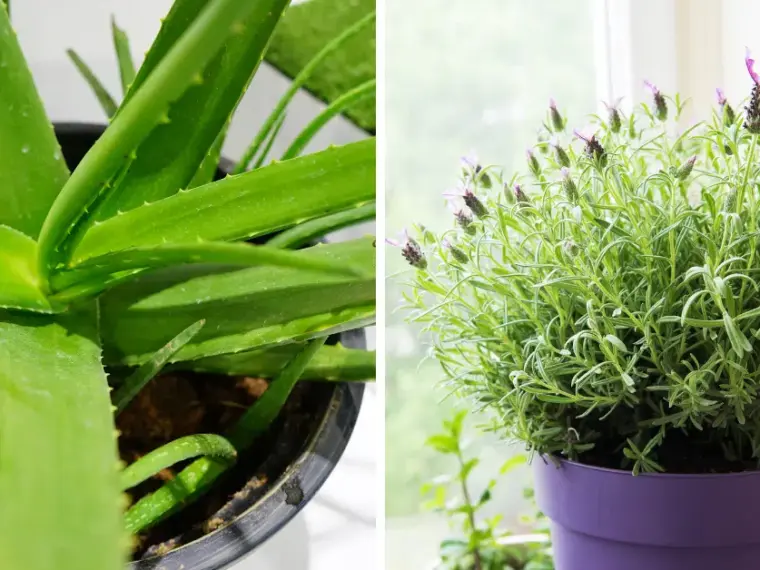
Aloe vera is more than just a drought-tolerant plant – it’s a functional addition to any home or garden.
Its thick, fleshy leaves are filled with gel that helps the plant retain water. This same gel is widely used for soothing skin, making aloe both decorative and useful.
Aloe thrives in warm, dry environments and prefers bright light. It does not tolerate overwatering, which makes it ideal for gardeners who want low-maintenance plants.
Over time, aloe produces offsets, or “pups,” which can be replanted to create new plants. This natural propagation makes it easy to expand your collection without extra cost.
3. Sedums – Versatile Ground Covers That Adapt Easily
Sedums are among the most adaptable drought-tolerant plants available. Their succulent leaves store water, allowing them to handle both dry spells and poor soil conditions.
Some varieties grow low and spread across the ground, forming dense mats that suppress weeds and protect soil. Others grow upright, producing clusters of small flowers that attract pollinators.
What makes sedums particularly valuable is their flexibility. They can be used in rock gardens, borders, containers, or even rooftop gardens.
As seasons change, many sedums also change color, adding visual interest throughout the year.
4. Hens and Chicks – Compact, Resilient, and Self-Spreading
Hens and chicks are small succulents that form tight rosettes. The “hen” produces smaller offsets called “chicks,” which spread and create clusters over time.
These plants are incredibly resilient. They can grow in shallow soil, cracks in stone, and even neglected areas where other plants would fail.
Because of their compact size, they are perfect for container gardens or small spaces. Their geometric shape also adds a decorative element that contrasts well with softer plants.
They require almost no watering once established, making them one of the easiest drought-tolerant plants to maintain.
5. Blue Oat Grass – Movement and Texture in Dry Landscapes
Blue oat grass introduces a completely different element to drought-tolerant gardens – movement.
Its narrow, arching blades create a soft, flowing texture that contrasts with the rigid forms of succulents and shrubs. The blue-green color adds a cool tone to the landscape, balancing warmer hues.
This grass thrives in well-drained soil and tolerates both drought and wind. In summer, it produces delicate flower spikes that rise above the foliage.
Over time, it forms tidy clumps that require minimal care, making it ideal for structured, modern garden designs.
6. Cliff Maids – Delicate Flowers for Tough Conditions
Cliff maids are adapted to rocky, mountainous environments, which makes them perfect for dry gardens.
Despite their delicate appearance, they are surprisingly tough. They prefer well-drained soil and can tolerate partial shade, making them suitable for areas where sunlight is not constant.
Their colorful blooms add brightness to otherwise harsh conditions, proving that even fragile-looking plants can thrive in dry environments.
7. Blue Sage – A Pollinator Magnet That Thrives in Dry Soil
Blue sage is a strong, upright plant that produces vibrant blue flowers over a long period.
It thrives in dry, rocky soil and requires very little maintenance once established. Its aromatic leaves also help deter pests, making it a practical addition to the garden.
One of its greatest strengths is its ability to attract pollinators. Bees and butterflies are drawn to its flowers, bringing life and movement into your space.
8. Brachycome – Light, Airy Color for Sunny Spaces
Brachycome, often called Swan River daisy, produces small, delicate flowers that create a soft, airy effect.
It thrives in sandy soil and full sun, making it ideal for dry regions or coastal gardens. Despite its delicate appearance, it is surprisingly heat-tolerant.
This plant works well in containers or as a border plant, where its gentle color can soften the edges of more structured designs.
9. Yarrow – Tough, Reliable, and Long-Lasting
Yarrow is known for its ability to grow in poor soil where many other plants struggle.
Its flat-topped flower clusters provide a unique shape, and its feathery foliage adds texture.
Yarrow is extremely resilient. It tolerates drought, heat, and even neglect, yet continues to produce blooms.
Because of its long flowering period, it adds consistent color to the garden while supporting pollinators.
10. Evening Primrose – Bright Blooms in Harsh Conditions
Evening primrose brings bright yellow flowers to dry landscapes.
It thrives in sandy, well-drained soil and requires minimal water. Its ability to grow in challenging conditions makes it a valuable addition to natural or wild gardens.
In addition to its beauty, it has traditional uses in food and herbal practices, adding another layer of usefulness.
11. Thyme – A Fragrant Ground Cover with Multiple Uses
Thyme is both a culinary herb and a drought-tolerant ground cover.
It spreads low across the soil, forming a dense mat that helps retain moisture and reduce weeds.
Its small leaves release a pleasant aroma when stepped on, making it ideal for pathways or garden edges.
Because it thrives in poor, dry soil, it requires very little care while offering both beauty and functionality.
12. Cardinal Climber – Vertical Interest in Dry Gardens
Cardinal climber is a fast-growing vine that produces bright red flowers.
It climbs easily on trellises or fences, adding vertical interest to the garden. Once established, it tolerates dry conditions well.
Its flowers attract hummingbirds, adding movement and life to the space.
13. Echinacea – Strong, Resilient, and Pollinator-Friendly
Echinacea, or coneflower, is one of the most reliable drought-tolerant perennials.
It thrives in poor soil and full sun, producing large, colorful blooms that attract pollinators.
Its strong stems and long flowering period make it a staple in dry gardens.
14. Gaillardia – Bold Color with Minimal Effort
Gaillardia, also known as blanket flower, produces vibrant red and yellow blooms that stand out in any landscape.
It thrives in heat and poor soil, requiring very little water once established.
Its long blooming season ensures continuous color throughout the summer.
15. Lavender – Fragrance, Beauty, and Resilience
Lavender is one of the most popular drought-tolerant plants for a reason.
It thrives in hot, dry conditions and produces fragrant purple flowers that attract pollinators.
Its aroma also helps repel certain insects, making it both decorative and practical.
16. Butterfly Bush – A Magnet for Wildlife
Butterfly bush produces long clusters of flowers that attract butterflies and other pollinators.
It thrives in sunny, dry conditions and requires minimal care once established.
Over time, it becomes a focal point in the garden, adding height and movement.
17. Globe Thistle – Bold Shape and Strong Presence
Globe thistle stands out with its spherical blue flowers and spiky texture.
It thrives in full sun and dry soil, adding a dramatic element to the garden.
Its unique shape makes it a strong visual contrast to softer plants.
18. Oriental Poppies – Delicate Beauty with Strong Roots
Oriental poppies produce large, vibrant flowers that bloom in spring.
Despite their delicate appearance, they are drought-tolerant once established.
Their deep roots allow them to access moisture even in dry conditions.
19. Firecracker Vine – Fast Growth and Bright Color
Firecracker vine is a vigorous climber that produces bright tubular flowers.
It grows quickly and requires little maintenance, making it ideal for covering structures.
Its ability to tolerate dry conditions makes it a practical choice for vertical spaces.
20. Verbena – Continuous Blooms in Heat and Drought
Verbena is known for its long blooming season and ability to handle heat.
It produces clusters of small flowers that add consistent color to the garden.
Its resilience makes it a reliable choice for dry landscapes.
Drought-tolerant plants are not just a practical solution-they are an opportunity to create a garden that is both beautiful and sustainable.
By choosing plants that naturally thrive in dry conditions, you reduce maintenance, conserve water, and build a landscape that works with nature instead of against it.