It looked harmless. Just a dull, dusty tube on the floor, the kind of thing you’d sweep up without thinking. But the longer I stared, the more wrong it felt. The shape. The texture. The eerie, deliberate way it seemed…made. Then someone whispered, “
By the time I realized it wasn’t trash, I was already invested in the mystery. The strange tube had a careful structure, as if each grain of dust and fiber had been chosen and placed with purpose. Research finally led me to the answer: it was the protective case of a case-bearing moth larva, or plaster bagworm, a tiny creature that builds itself a mobile shelter from the forgotten bits of our homes.
What first felt unsettling slowly became quietly awe-inspiring. This little case wasn’t a threat; it was a reminder. While we rush through rooms, vacuum floors, and assume we’ve seen everything, entire hidden lives go on at a smaller scale. The discovery nudged me to look closer at my surroundings—and to remember that not every strange find is a sign of danger. Sometimes, it’s proof that even dust can become a home.
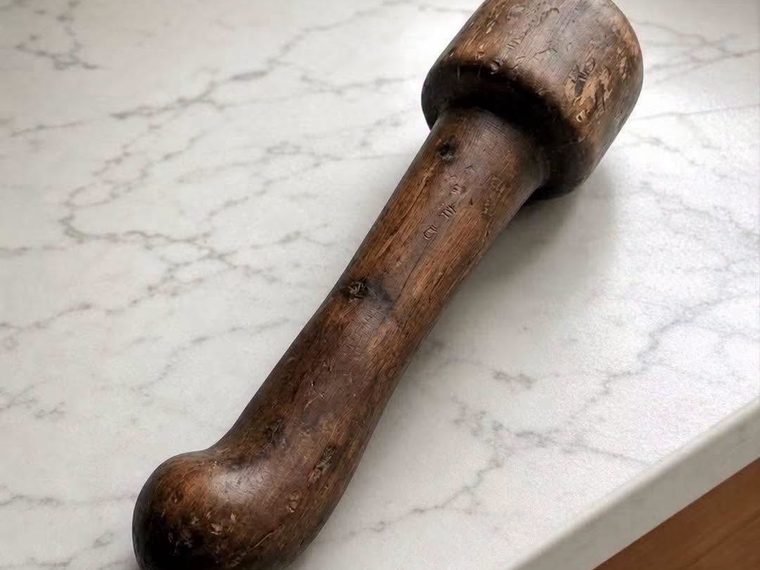
The unfamiliar object found in the dresser appears to be an older household or personal accessory whose purpose is not obvious without context. Items from earlier generations often combine metal, fabric, wood, or plastic in shapes that no longer match products sold today.
The most useful clues are its size, moving parts, wear marks, and the room where it was stored. A clasp may suggest clothing or jewelry, while a sharpened edge points toward sewing or grooming. Residue, discoloration, or repeated scratches can show which surface was handled most often.
Before cleaning it, the family should photograph every side. Polishing can remove maker’s marks, dates, or surface details that help identify age and origin. A small stamped name or patent number can often be searched in museum catalogs, antique listings, or digitized manuals.