Engagement rings often carry far more meaning than their size, price, or appearance. Yet they can also spark surprisingly strong opinions from family members, friends, and even strangers online.
Imagine this situation:
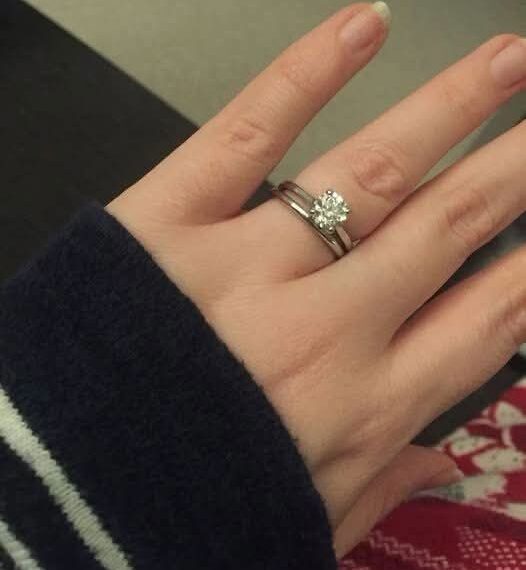
A daughter excitedly shows her mother the engagement ring her fiancé chose for her. Instead of sharing her excitement, the mother tells her the ring looks too small, isn’t very attractive, and suggests she ask her fiancé to replace it with something better.
The daughter refuses.
The mother insists she’s only looking out for her.
So who’s right?
Let’s explore both sides.
What an Engagement Ring Really Represents
For many couples, an engagement ring isn’t simply a piece of jewelry.
It’s a symbol of:
- Love
- Commitment
- Partnership
- Shared dreams
- A promise for the future
While some people focus heavily on the size of the stone or the price tag, others place much more importance on the meaning behind the ring.
A modest ring can carry just as much emotional value as an expensive one.
A Mother’s Perspective
Most parents want the very best for their children.
A mother who criticizes an engagement ring may genuinely believe she’s protecting her daughter from settling for less than she deserves.
She might think:
- The ring doesn’t reflect her daughter’s value.
- The fiancé could have made a greater effort.
- Her daughter may secretly be disappointed.
From her perspective, speaking up may feel like an act of love.
The Daughter’s Perspective
However, the daughter is the person who will wear the ring every day.
If she loves it, that’s what matters most.
She may appreciate:
The thought behind it
The effort her fiancé made
The memories attached to it
The commitment it represents
To her, the ring may be perfect regardless of its size or cost.
Why Ring Size Doesn’t Define Love
Modern culture often places enormous attention on engagement rings.
Social media is filled with:
- Giant diamonds
- Luxury jewelry
- Celebrity engagements
- Expensive designer pieces
But love isn’t measured in carats.
A larger stone doesn’t automatically mean:
More commitment
A stronger relationship
Greater happiness
Some of the happiest marriages began with very simple rings.
When Opinions Become Overstepping
Giving an opinion isn’t necessarily wrong.
Most family members occasionally share honest thoughts.
The issue arises when:
- The opinion is unsolicited.
- Pressure continues after the person disagrees.
- Someone is encouraged to criticize their partner over a personal preference.
Once the daughter says she loves the ring and doesn’t want to replace it, continuing to push the issue may cross a boundary.
What Should a Parent Do?
A supportive approach might sound like:
“If you love it, that’s what matters.”
This keeps the focus on the daughter’s happiness rather than the parent’s expectations.
Parents can still have private opinions without making those opinions the center of the engagement.
The Bigger Question
Sometimes the ring isn’t really about the ring.
It may reflect deeper concerns about:
- Expectations
- Finances
- Family dynamics
- The relationship itself
That’s why it’s important to separate concerns about the jewelry from concerns about the person giving it.
What Most People Value Years Later
Couples married for decades often say they rarely think about:
- Ring size
- Brand names
- Price tags
What they remember is:
The proposal
The excitement
The beginning of their life together
Those memories usually matter far more than the jewelry itself.
The Bottom Line
If a daughter loves her engagement ring and feels happy with the person who gave it to her, many people would argue that the ring is already doing exactly what it was meant to do.
A parent may have good intentions, but insisting that a fiancé replace a ring simply because it looks too small or not impressive enough can sometimes do more harm than good.
In the end, the most important opinion belongs to the person wearing the ring—not the people looking at it.
What do you think?