More Than Just Design—They’re a Secret Code for QualityBath Towel Set
Bathroom
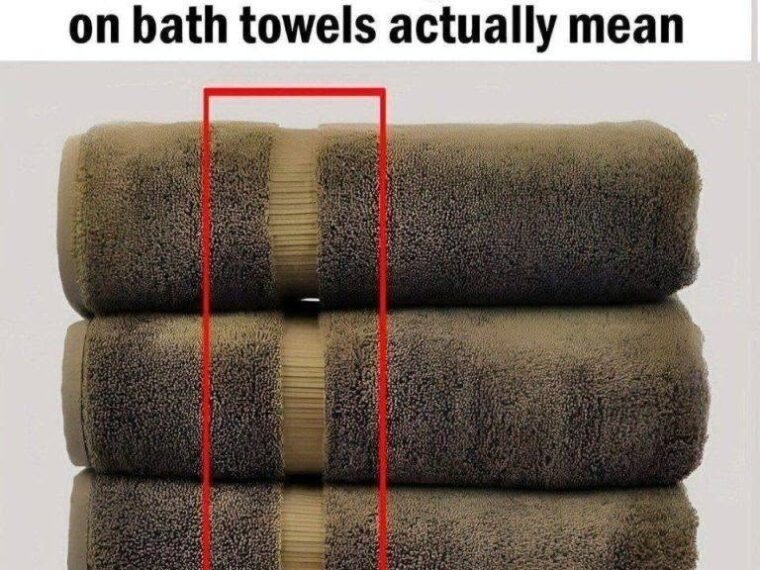
You’ve probably run your fingers over them: those neat rows of lines, stripes, or bands woven into your bath towels.
At first glance, they look like simple decoration—maybe a pop of color or a stylish accent.
But in reality, those lines are a subtle language—telling you about the towel’s quality, construction, and even care instructions.
Let’s decode what they really mean.
 The Hidden Messages in Towel Lines
1. Horizontal Lines = Quality & Density
Where they appear: Usually near the top (hem) or bottom edges
What they mean: These lines often mark areas with higher loop density or extra-weft weaving—meaning more cotton, more softness, and better durability.
Why it matters: More loops = greater absorbency and a plush, spa-like feel.2. Thick, Bold Bands = Reinforced Construction
Towels with wide, textured stripes (often in contrasting colors) typically indicate:
Heavier fabric weight (measured in GSM—grams per square meter)
Reinforced stitching to prevent fraying
Longer lifespan—these towels are built to last through hundreds of washes
3. Color-Coded Lines = Care or Branding Cues:Premium Towels
For Complete Cooking STEPS Please Head On Over To Next Page Or Open button (>) and don’t forget to SHARE with your Facebook friends
In hotels or spas, colored stripes often indicate:
Towel type ( bath sheet vs. hand towel vs. washcloth)
Textiles & Nonwovens
Laundry sorting (e.g., white stripe = bleach-safe)
In retail brands, signature stripes (like Frette’s double band or Matouk’s border) signal luxury heritage.
4. Vertical vs. Horizontal Weave Lines
Vertical loops (running top to bottom): Standard construction
Horizontal accent lines: Often created by jacquard weaving—a sign of higher-end manufacturing and design intentionality
Feature
What to Look For
What It Tells You
GSM (Weight)
400–600 GSM = everyday luxury
600+ GSM = spa-quality
Higher GSM = thicker, more absorbent, longer-lasting
Loop Density
Tight, uniform loops + accent lines
Better water retention, less shedding
Hem Band Thickness
Wide, tightly stitched band
Reinforced edge = resists fraying
Brand Signatures
Consistent stripe patterns (e.g., one brand always uses navy band)
Authenticity and quality control
 Pro tip: Rub the towel between your fingers. If it feels stiff or sheds lint, low-quality cotton or synthetic blends may be hiding behind pretty lines.
 Care Tips to Preserve Those Lines (and Your Towel’s Life)
Wash in cold water—hot water breaks down cotton fibers
Avoid fabric softener—it coats fibers and reduces absorbency
Tumble dry low—high heat causes shrinkage and weakens woven details
Don’t overload the washer—towels need room to rinse clean
 Final Thought
Those lines aren’t just decoration.
They’re craftsmanship made visible—a quiet promise of softness, strength, and care woven into every thread.
So next time you wrap yourself in a towel, take a closer look.
You might just be holding a small masterpiece of textile engineering.