The winter season, with its dry, cold air, often brings a host of skin-related issues, especially for those with sensitive skin or specific body areas that are prone to moisture retention. One common problem that people experience during this chilly time is the formation of a red, sore rash under the belly fold. This can be particularly uncomfortable, leaving individuals searching for relief.
While waiting to consult with a healthcare professional, understanding the underlying causes and immediate relief methods can be incredibly helpful. This article will guide you through the reasons behind the rash, how to identify its nature, and what immediate actions you can take to alleviate the discomfort until your doctor becomes available.
1. Why This Rash Forms Under the Belly Fold in Cold Weather
During winter, the skin under the belly fold can become a breeding ground for rashes due to a combination of factors. The cold, dry air outside and the warm, dry air indoors can lead to reduced skin hydration, making the skin more susceptible to irritation. The skin under the belly fold is often less exposed to air and light, creating a moist environment that is ideal for irritations and infections.
Additionally, increased clothing layers in winter can trap sweat and moisture, further exacerbating the conditions for a rash to form. This moisture, combined with friction from movement or tight clothing, can lead to a condition known as intertrigo, where the skin becomes inflamed and red. The constant rubbing of skin against skin or fabric can lead to micro-abrasions, providing an entry point for bacteria or fungi.
2. How To Tell If It’s Moisture-Associated Dermatitis, Not Something Else
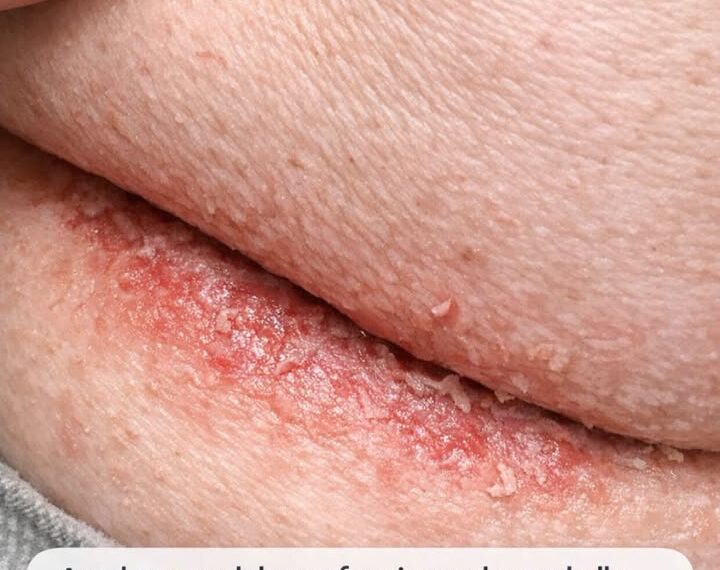
Moisture-associated dermatitis typically presents as a red, inflamed rash that feels sore to the touch. It often occurs in areas where skin folds are present, such as under the belly, where moisture can accumulate. To differentiate this from other conditions, check if the rash is localized to areas that are consistently moist and if it improves with moisture control.
Look for signs such as itching, burning sensations, or the presence of small blisters or pustules, which may indicate a secondary fungal or bacterial infection. Unlike allergic reactions or psoriasis, moisture-associated dermatitis is usually less scaly and more uniform in appearance. A history of similar rashes in areas that are prone to moisture, such as the groin or underarms, can also help identify the condition.
3. First Aid Right Now: Gentle Cleansing Without Making It Worse
The first step in managing the rash is to gently cleanse the affected area. Use lukewarm water and a mild, fragrance-free soap to clean the skin, avoiding hot water which can further irritate and dry out the skin. Pat the area dry carefully with a soft towel, ensuring not to rub the skin, which could worsen the irritation.
After cleansing, ensure the area is completely dry before applying any topical treatments. This step is crucial as residual moisture can exacerbate the rash. If available, use a hairdryer on a cool setting to gently dry the skin, keeping the device at least 12 inches away from the skin.
4. Drying Tricks That Actually Work for Belly Folds
Ensuring that the skin under the belly fold stays dry is key to managing and preventing rashes. After bathing, make sure to thoroughly dry the area. You can use a fan or a hairdryer on a cool setting to expedite the drying process. Another effective trick is to use absorbent powders, such as talc-free baby powder or cornstarch, to help keep the area dry.
For those who sweat excessively, consider changing into dry clothing throughout the day if the area becomes moist. Wearing moisture-wicking fabrics can also be helpful, as these materials draw moisture away from the skin, keeping it dry and reducing the risk of irritation.
5. Barrier Creams and Ointments You Can Safely Use at Home
Barrier creams and ointments can provide a protective layer on the skin, reducing friction and preventing moisture buildup. Products containing zinc oxide or petrolatum are excellent choices as they are gentle on the skin and create an effective barrier. Apply a thin layer to the affected area after ensuring it is completely dry.
Ensure to reapply the barrier cream after each cleansing session. Avoid using creams with strong fragrances or alcohol, as these can further irritate the skin. If you have sensitive skin, consider using products specifically formulated for sensitive areas, often labeled hypoallergenic.
6. When an Antifungal Cream Might Help the Red, Sore Rash
If the rash is accompanied by itching, burning, or the appearance of small blisters, it may indicate a fungal infection, such as yeast infection, which is common in moist areas. Over-the-counter antifungal creams containing clotrimazole or miconazole can be applied to the affected area. Use as directed on the packaging, typically twice daily for up to two weeks.
If there is no improvement after a week of treatment, or if the rash worsens, discontinue use and consult with a healthcare professional. It’s important to ensure the area is clean and dry before applying antifungal cream to maximize its effectiveness.
7. Clothing, Underwear, and Fabrics That Calm (Not Irritate) the Area
Choosing the right clothing can significantly impact the management of skin rashes. Opt for loose-fitting, breathable fabrics like cotton, which allow air circulation and reduce moisture buildup. Avoid tight clothing that can cause friction and trap moisture against the skin.
Consider using moisture-wicking underwear to help keep the area dry. These are often made of synthetic materials designed to pull moisture away from the skin. When at home, consider wearing minimal clothing to allow the area to breathe and reduce irritation.
8. Simple At-Home Pain and Itch Relief While You Wait for Your Doctor
For immediate relief from pain and itching, you can apply a cold compress to the affected area for 10-15 minutes. This can help reduce inflammation and numb the area to provide temporary relief. Over-the-counter hydrocortisone cream can also be applied sparingly to reduce itching and inflammation.
Oral antihistamines like diphenhydramine can help reduce itching and improve comfort, especially at night. However, these can cause drowsiness, so it’s best to use them when you don’t need to be alert. Always follow the dosing instructions on the packaging.
9. What To Avoid: Common “Home Remedies” That Can Backfire
While there are many home remedies touted for skin rashes, some can do more harm than good. Avoid using vinegar, lemon juice, or baking soda on the rash, as these can alter the skin’s pH and worsen irritation. Similarly, applying alcohol or hydrogen peroxide can dry out the skin and delay healing.
Be cautious with essential oils, as they can be potent and cause allergic reactions or further irritation, especially on sensitive skin. Instead, stick to gentle, proven methods for managing the rash until you can see a healthcare professional.
10. Red-Flag Symptoms: When This Rash Becomes an Emergency
While most rashes can be managed at home, certain symptoms indicate the need for immediate medical attention. If the rash spreads rapidly, is accompanied by a fever, or starts to ooze pus, it may indicate a serious infection that requires prompt treatment.
Severe pain, swelling, or red streaks extending from the rash can also be signs of a more serious condition, such as cellulitis, which requires urgent care. If you experience any of these symptoms, seek medical attention immediately.
11. Preventing Future Winter Flare-Ups Under the Belly Fold
To prevent future rashes, maintain a consistent skincare routine that includes gentle cleansing and thorough drying of the area. Using barrier creams regularly can help protect the skin from moisture-related issues. Additionally, keep your home environment at a comfortable humidity level to prevent skin dryness.
Regularly inspect the area for early signs of irritation and address them promptly to prevent a full-blown rash. Wearing appropriate clothing and managing weight can also help reduce the risk of moisture accumulation and friction that contribute to rash formation.