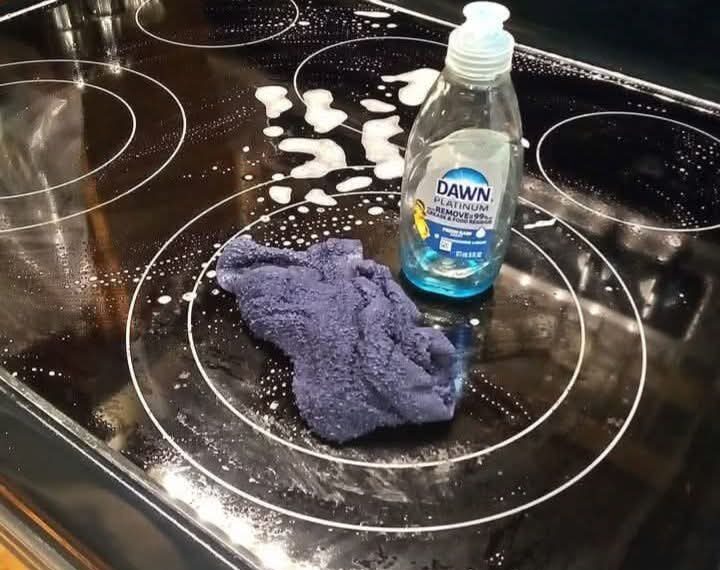
Without Thinking, I Used Dawn to Clean Our Flat-Top Stove. How Do I Keep Toxins Out of My Cast Iron?
If you’ve ever reached for Dawn dish soap to clean your flat-top stove or cast-iron cookware and immediately panicked—don’t worry. This is one of the most common kitchen concerns, and the good news is: you probably didn’t ruin anything or poison your cookware.
Let’s clear up the myths, explain what really matters for cast iron safety, and show you how to keep your cast iron clean, seasoned, and toxin-free.
First: Is Dawn Dish Soap Toxic to Cast Iron?
No.
Modern dish soaps like Dawn are not toxic and do not permanently contaminate cast iron.
The confusion comes from history.
Why People Say “Never Use Soap”
Decades ago, soaps were made with lye and harsh fats, which could strip seasoning aggressively. Today’s dish soaps are gentle detergents, not lye-based soaps.
Using Dawn once or occasionally will not:
- Poison your food
- Make cast iron unsafe
- Permanently damage seasoning
What Actually Makes Cast Iron Safe?
Cast iron is safe when it has a good seasoning layer.
Seasoning is:
- A thin layer of polymerized oil
- Baked onto the iron surface
- Creates a natural, non-toxic, non-stick barrier
As long as this layer is intact or restored, your cast iron is safe to cook with.
If You Used Dawn: What to Do Next
If you cleaned your cast iron or flat-top with Dawn, follow these steps:
1. Rinse Thoroughly
Wash off all soap residue with warm water.
2. Dry Immediately
Never air-dry cast iron.
- Use a towel
- Then heat it briefly on the stove to remove moisture
3. Re-Oil the Surface
Apply a very thin layer of:
- Flaxseed oil
- Grapeseed oil
- Avocado oil
- Canola oil
Wipe off excess—too much oil causes stickiness.
4. Heat to Re-Season
Heat until the oil just begins to smoke lightly.
This bonds the oil back into the surface.
That’s it. Your cast iron is safe again.
What Actually Causes Toxins in Cast Iron (Rare but Real)
🚫 Leaving Acidic Foods Too Long
Tomatoes, vinegar, or citrus can strip seasoning if cooked for long periods.
🚫 Rust
Rust doesn’t release toxins, but it does mean your seasoning is compromised.
🚫 Burned-On Synthetic Oils
Overheating low-quality oils repeatedly can create unpleasant residues.
What Does NOT Cause Toxins (Common Myths)
❌ Using dish soap once
❌ Cleaning with hot water
❌ Scrubbing with a brush
❌ Cooking at high heat
❌ Using metal utensils
These do not make cast iron unsafe.
Best Practices to Keep Cast Iron Toxin-Free
✔ Clean While Warm
Wipe food residue while the pan is still warm.
✔ Use Hot Water + Brush
Most messes don’t need soap at all.
✔ Soap Is Okay—Occasionally
Especially after greasy or sticky foods.
✔ Dry Immediately
Moisture causes rust, not toxins—but rust ruins seasoning.
✔ Oil Lightly After Use
A thin oil coat protects the surface.
What About Flat-Top Cast Iron Stoves?
For cast-iron flat-top stoves or griddles:
- Dawn is fine for deep cleaning
- Always re-oil afterward
- Heat to restore the protective layer
Never leave the surface bare and dry after washing.
Final Thoughts
Using Dawn on your cast iron or flat-top stove is not a disaster. Modern dish soaps are safe, non-toxic, and won’t permanently harm cast iron if used properly.
Cast iron doesn’t need fear—it needs care.
With simple re-seasoning and proper drying, your cookware will remain:
- Safe
- Natural
- Long-lasting
- Completely toxin-free
Disclaimer
This article is for informational purposes only and does not replace professional cookware or health advice.