📌 Summary: The Viral Square Challenge and What It Teaches About Perception
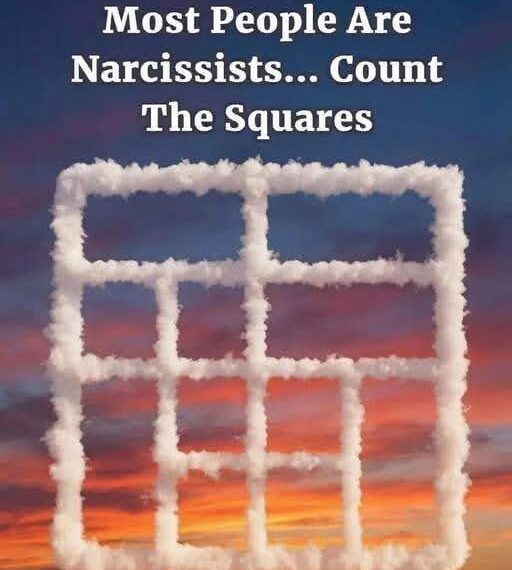
🧠 The Challenge
- The “Viral Square Challenge” is a visual puzzle that went viral on social media.
- It typically shows a grid (often 4×4) and asks the viewer: “How many squares do you see?”
- At first glance, most people count only the obvious small squares — but there are many more hidden combinations.(Facebook)
📊 The Logic Behind the Answer
Although the full article isn’t directly accessible, one of the reposts includes a step-by-step breakdown of how to count squares in such a challenge:
- 1×1 squares: 16
- 2×2 squares: 9
- 3×3 squares: 4
- 4×4 square: 1
→ Total: 30 squares (in a 4×4 grid example).(Facebook)
This kind of problem teaches more than just counting — it highlights how our perception tends to focus on the obvious and miss the complex patterns that are equally real.
👁️ What It Teaches About Perception
The article emphasizes psychological and perceptual takeaways:
- Perception is not always reality: What we see first is usually what our brain finds easiest to process, not necessarily what is actually present.(Facebook)
- Patterns vs. assumptions: We often assume simple interpretations instead of analyzing deeper structures — like overlooking larger square combinations in a grid.(Facebook)
- Mindset matters: Some posts connect this challenge to broader life lessons about how perception shapes experience — e.g., seeing obstacles as bigger or smaller than they are, or noticing what we overlook in daily life.(Facebook)
📌 Broader Theme
Across the reposts, there’s a consistent theme: the challenge is not just about squares, but about how our mind interprets visual information — and how that can reflect cognitive biases in broader life situations.(Facebook)
❓ Why You Can’t Get the Full Article Here
- The versions of the article available online are embedded in private/social media posts.
- They often require clicking a link in the comments or viewing an image of the text — which I cannot access or reproduce.
- These posts are not hosted on a publicly crawlable website with plain text.(Facebook)
If You Want the Full Text
Here’s what you can try:
- Open the Facebook post directly where the article is linked (usually in the comments).
- If that doesn’t work, you could copy the linked text here, and I can help you summarize or analyze it.