January Is Still a Planting Month! ❄️ Why Winter Is the Secret Start to a Strong Garden
For many gardeners, January feels like a pause—a quiet month reserved for planning rather than planting. But the truth is, January is still very much a planting month. Whether you garden indoors, use a greenhouse, or live in a mild winter climate, this early start can give your plants a powerful advantage long before spring officially arrives.
Gardening doesn’t begin when the weather warms—it begins when roots do.
Why Planting in January Makes Sense
Plants don’t measure time the way we do. They respond to:
- Soil temperature
- Light exposure
- Root development
By starting certain crops in January, you allow them to establish strong root systems early, leading to:
- Faster spring growth
- Earlier harvests
- Healthier, more resilient plants
Early planting is about preparation, not rushing.
What Can Be Planted in January?
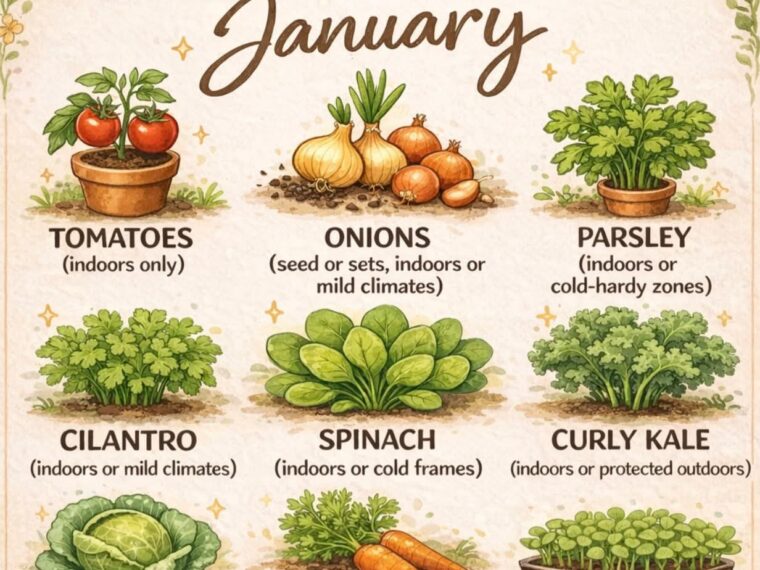
1. Crops to Start Indoors 🌱
January is ideal for starting seeds indoors where temperature and moisture are controlled.
Best indoor starters include:
- Tomatoes
- Peppers
- Eggplant
- Onions
- Leeks
- Celery
These crops benefit from a long growing season and transplant well once temperatures rise.
2. Cold-Tolerant Greens 🥬
In mild climates or under protection, leafy greens thrive.
Try planting:
- Spinach
- Lettuce
- Kale
- Swiss chard
- Arugula
These greens tolerate cool temperatures and grow steadily, even with shorter daylight hours.
3. Herbs That Love an Early Start 🌿
Many herbs can be started indoors or in sheltered outdoor spaces.
January-friendly herbs include:
- Parsley
- Cilantro
- Chives
- Thyme
- Oregano
- Sage
Herbs started early develop stronger flavor and structure.
4. Root Crops (Mild Climates) 🥕
If winters are gentle in your area, some root vegetables can go directly into the soil.
Consider:
- Carrots
- Radishes
- Turnips
- Beets
Cool soil encourages steady root development without stress.
Benefits of Early Root Development
Strong roots mean:
- Better nutrient absorption
- Improved drought resistance
- Greater tolerance to temperature swings
Plants started in January often outperform those planted later, even if growth above ground seems slow at first.
Indoor Planting Tips for January Success
- Use quality seed-starting mix
- Provide 12–14 hours of light (grow lights or sunny windows)
- Keep soil moist, not soggy
- Maintain warmth (18–22°C / 65–72°F)
- Label everything—January starts last a long time
Patience is part of winter gardening.
Gardening in Mild Winter Climates
In regions with minimal frost, January is ideal for:
- Broad beans
- Peas
- Garlic
- Onions
- Potatoes (late month)
Mulching and frost protection can extend planting options even further.
January Is Also a Planning Power Month
While planting, January is perfect for:
- Testing soil
- Preparing raised beds
- Organizing seeds
- Planning crop rotation
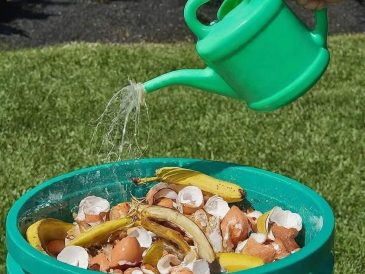
- Starting compost
Small actions now save enormous effort later.
A Head Start Without the Rush
Gardening in January isn’t about forcing growth—it’s about working with natural rhythms. Plants grow quietly beneath the surface long before we see results.
When spring arrives, January-planted gardens don’t scramble.
They rise—ready.
Final Thoughts
January may look like winter on the outside, but beneath the soil and behind the windows, life is already beginning. With a little preparation and patience, this month can set the foundation for your most productive garden yet.
The season doesn’t start in spring.
It starts when you plant with intention.
Disclaimer
Planting recommendations vary by region. Always consider your local climate and frost dates.