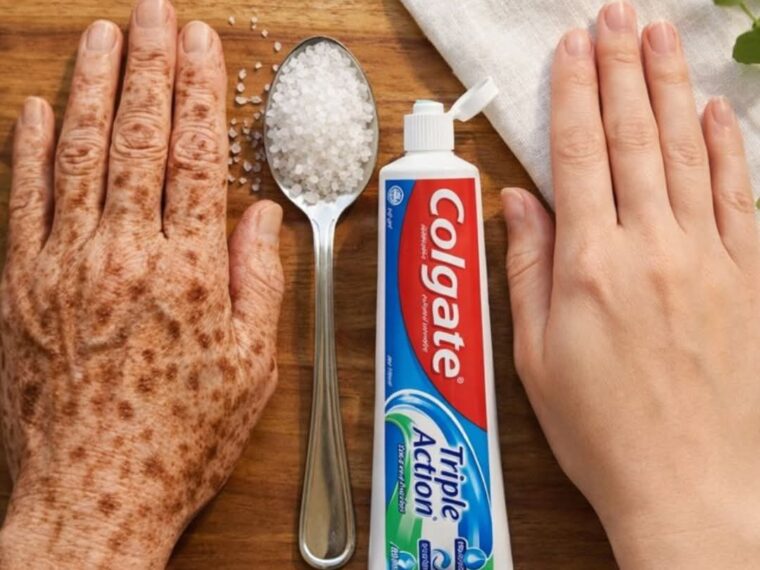
Many adults notice that their hands show signs of aging sooner than their face, with fine lines appearing deeper and dark spots becoming more visible over time. This can create a frustrating disconnect, especially when you’ve invested in facial skincare but overlooked your hands. It’s a common experience—one that leaves people searching for simple, at-home ways to refresh the skin’s appearance without harsh treatments.
But here’s the intriguing part: some are turning to everyday ingredients already in their homes for gentle support. Stick with me as we explore science-backed habits and mild remedies that may help improve texture and tone gradually, including why attention to your hands matters most.

Why Hands Often Show Aging Signs First
Hands are uniquely vulnerable to environmental stressors.
The skin on the backs of your hands is thinner than facial skin, with fewer oil glands and less subcutaneous fat for cushioning. Research shows this natural structure, combined with constant exposure to UV rays, water, and daily friction, accelerates visible changes like wrinkles and discoloration.
Studies indicate hands receive significant cumulative sun damage because they’re often unprotected—unlike the face, where sunscreen is routinely applied. Over time, UV exposure breaks down collagen and elastin, leading to loss of firmness and uneven pigmentation.
But that’s not all. Frequent hand washing and environmental factors strip natural moisture, making fine lines more prominent. The good news? Consistent care can make a noticeable difference in how your hands look and feel.

Common Concerns with Hands and Arms
Here’s a quick comparison of typical issues and evidence-based approaches:
| Concern | Common Triggers | Gentle Support Strategies |
|---|---|---|
| Fine lines | Collagen loss, dryness | Daily moisturizing, hydration from within |
| Dark spots | Sun exposure, pigmentation | Broad-spectrum sunscreen, antioxidant-rich creams |
| Uneven texture | Dead skin buildup | Mild exfoliation 1-2 times weekly |
| Thinner appearance | Fat loss over time | Protective gloves for chores, rich emollients |
These strategies focus on prevention and subtle improvement, backed by dermatological insights.
Gentle Exfoliation for Smoother Texture
Mild exfoliation can help reveal fresher-looking skin by removing dull surface cells.
Research on gentle abrasives shows that occasional polishing improves light reflection, making texture appear more even. Natural options like a sugar-olive oil scrub or oatmeal-based mixtures are popular for their soothing properties.
People often report hands feeling softer after consistent use. Pair this with immediate moisturizing to lock in hydration and support the skin barrier.
Brightening Ingredients for Even Tone
Certain natural compounds may support a brighter appearance.
Vitamin C, found in citrus or serums, is well-studied for its antioxidant effects and potential to reduce visible discoloration over time. Aloe vera gel offers hydration and calming benefits, helping skin look refreshed.
Here’s what some notice with regular routines:
- Smoother feel after first applications
- More even tone within 2-4 weeks
- Reduced prominence of spots with ongoing sun protection
- Better overall hand care habits
The key is patience—changes are gradual.
The Power of Daily Moisturizing and Protection
This is where real momentum builds.
Thick, emollient creams with ingredients like hyaluronic acid or shea butter plump the skin temporarily, softening fine lines. Applying them multiple times daily, especially after washing, prevents dryness that accentuates wrinkles.
But the biggest game-changer? Sunscreen on hands every day. Studies confirm UV protection is the most effective way to prevent further dark spots and maintain improvements.
Quick tip: Keep a hand cream with SPF by your sink for easy reapplication.

Building a Simple Hand Care Routine
Ready to try? Here’s a straightforward step-by-step:
- Cleanse gently with mild soap—avoid hot water.
- Exfoliate mildly 1-2 times weekly (e.g., mix oatmeal and honey for a paste; massage briefly, rinse).
- Apply a vitamin C or niacinamide serum for potential brightening.
- Follow with a rich moisturizer.
- Finish with broad-spectrum SPF 30+ during the day.
- Wear gloves for household tasks to shield from irritants.
Consistency over weeks often leads to hands that look calmer and more youthful.
Why Attention Sparks Lasting Change
The real secret isn’t one ingredient—it’s awareness.
Once you start noticing your hands, you’re more likely to protect and nourish them regularly. This behavioral shift supports better skin resilience, with research showing proactive habits slow visible aging.
Imagine a month from now: smoother texture, less noticeable spots, and quiet confidence in every handshake or gesture.
Comparing At-Home Options
| Option | Cost | Effort Level | Potential Benefits |
|---|---|---|---|
| Daily moisturizer + SPF | Low | Minimal | Prevention, hydration |
| Natural exfoliants | Very low | Low | Texture improvement |
| Vitamin C products | Medium | Moderate | Tone evening over time |
| Professional treatments | High | High | Faster, targeted results |
Start simple and build from there.
Final Reflections
Your hands reflect daily life—work, care, and exposure. Small, consistent actions like moisturizing, protecting from sun, and gentle exfoliation can help them appear refreshed and more even-toned.
Curiosity about your skin’s needs often leads to the best outcomes. Focus on habits that feel sustainable.
FAQ
1. How long until I see improvements in hand appearance?
With daily protection and moisturizing, many notice smoother feel in weeks; tone changes may take 1-3 months.
2. Are dark spots on hands permanent?
They often fade with consistent sun protection and care, though new ones can form without prevention.
3. What’s the most important step for aging hands?
Daily broad-spectrum sunscreen—it’s the top evidence-based way to prevent worsening and support even tone.
Mandatory Disclaimer
This article is for informational purposes only and does not replace professional medical advice. Consult your healthcare provider or a qualified skincare professional for personalized guidance.