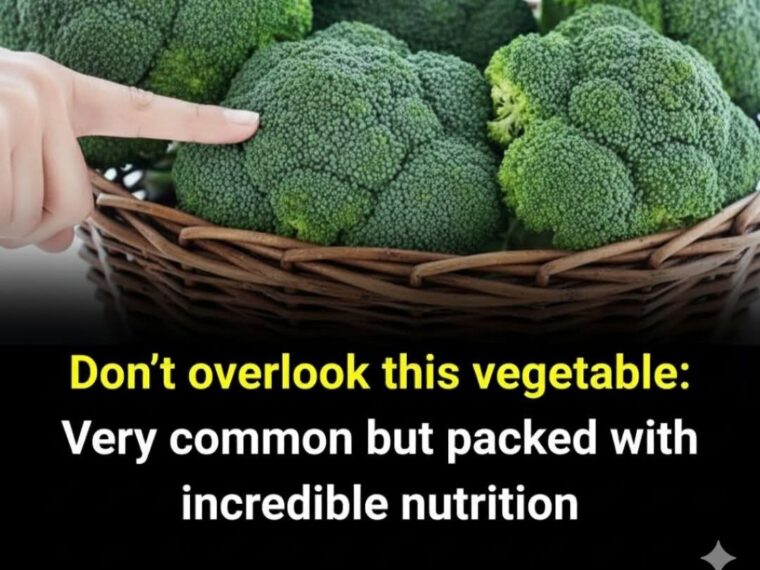
🥦 Broccoli: Small Vegetable, Big Impact on Your Health
Broccoli may look like a simple green vegetable, but don’t let its size fool you. This humble member of the cruciferous family is one of the most nutrient-dense foods you can eat, delivering powerful benefits for your heart, immune system, digestion, and overall well-being.
Low in calories yet rich in vitamins, minerals, and protective plant compounds, broccoli truly proves that small vegetables can have a big impact on your health.
What Makes Broccoli So Special?
Broccoli is packed with:
- Vitamin C
- Vitamin K
- Folate
- Fiber
- Potassium
- Antioxidants and phytochemicals
It also contains unique sulfur-based compounds that play a major role in disease prevention.
1. Supports Heart Health ❤️
Broccoli contributes to a healthy heart in several ways:
- Fiber helps lower bad (LDL) cholesterol
- Potassium supports healthy blood pressure
- Antioxidants reduce inflammation in blood vessels
Regular consumption of broccoli is linked to a lower risk of cardiovascular disease.
2. Strengthens the Immune System 🛡️
One cup of broccoli provides a large portion of your daily vitamin C needs, which:
- Boosts immune defenses
- Helps fight infections
- Supports faster healing
Its antioxidants also protect immune cells from damage.
3. Aids Digestion and Gut Health
Broccoli is rich in both soluble and insoluble fiber, which:
- Promotes regular bowel movements
- Feeds beneficial gut bacteria
- Supports a healthy digestive tract
A healthy gut plays a major role in immunity, metabolism, and mental health.
4. Powerful Anti-Inflammatory and Antioxidant Effects
Broccoli contains sulforaphane, a compound known for its anti-inflammatory and antioxidant properties.
Sulforaphane may help:
- Reduce chronic inflammation
- Protect cells from oxidative stress
- Support natural detoxification pathways
5. Supports Bone Health 🦴
Thanks to its vitamin K, calcium, and magnesium content, broccoli helps:
- Strengthen bones
- Improve calcium absorption
- Reduce fracture risk
This makes it especially beneficial for older adults.
6. May Help Lower Cancer Risk
Broccoli and other cruciferous vegetables have been widely studied for their role in cancer prevention.
Their compounds may:
- Support the body’s detox enzymes
- Help neutralize harmful substances
- Protect DNA from damage
While not a cure, broccoli is a smart addition to a cancer-protective diet.
7. Supports Healthy Weight Management ⚖️
Broccoli is:
- Low in calories
- High in fiber
- Very filling
This combination helps control appetite and supports weight management without sacrificing nutrition.
Best Ways to Eat Broccoli
To get the most benefits:
- Lightly steam instead of overcooking
- Eat raw in salads or slaws
- Sauté briefly with olive oil and garlic
- Add to soups, stir-fries, or omelets
Avoid boiling for long periods, which can reduce nutrient content.
How Much Broccoli Should You Eat?
Most experts recommend:
- 2–4 servings of cruciferous vegetables per week, including broccoli
More can be beneficial as part of a varied, balanced diet.
Who Should Be Cautious?
People taking blood-thinning medications should:
- Monitor vitamin K intake
- Maintain consistent portions
Those with sensitive digestion may prefer cooked broccoli over raw.
Final Thoughts
Broccoli may be small, but its health benefits are anything but. From protecting your heart and bones to supporting digestion and immunity, this green powerhouse deserves a regular spot on your plate.
Sometimes, the biggest health impacts come from the simplest foods.
Disclaimer
This article is for informational purposes only and does not replace professional medical or nutritional advice.