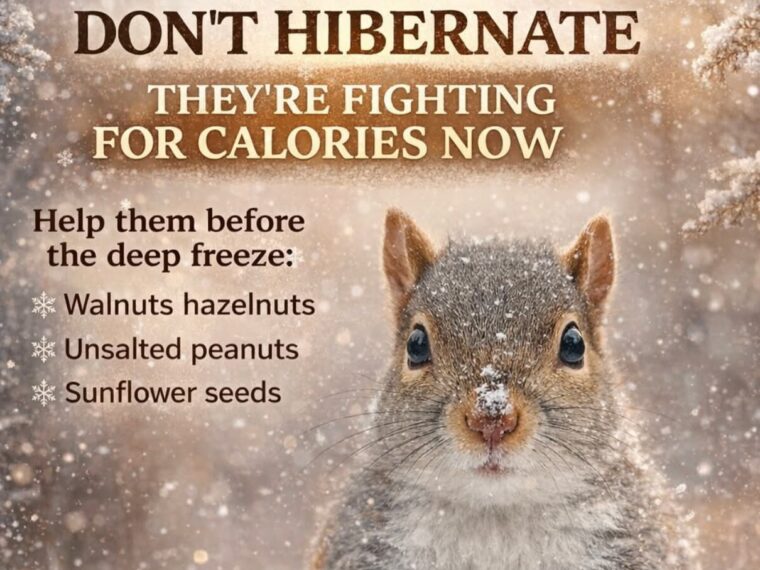
Squirrels Are Working Overtime in Winter 🐿️ Cold weather doesn’t slow us down, it pushes us to burn more energy. High-calorie foods can help us make it through freezing days and nights.
🐿️ Squirrels Are Working Overtime in Winter
Why Cold Weather Forces Them to Burn More Energy
When winter arrives and temperatures drop, squirrels don’t simply curl up and wait for spring. In fact, cold weather pushes squirrels to work harder than ever. Staying warm, finding food, and surviving freezing nights requires enormous energy, which is why squirrels rely heavily on high-calorie foods during the winter months.
Let’s take a closer look at how squirrels survive winter—and why their behavior changes so dramatically.
Why Winter Is So Challenging for Squirrels
Unlike some animals, squirrels do not fully hibernate. While they may sleep for longer periods during extreme cold, they remain active throughout winter.
Cold weather creates three major challenges:
- Maintaining body heat
- Finding scarce food
- Avoiding predators
All of these require extra calories, making winter one of the most demanding seasons of a squirrel’s life.
Burning More Energy to Stay Warm 🔥
Squirrels are small animals with a high surface-to-body ratio, which means they lose heat quickly.
To survive freezing temperatures, they must:
- Shiver to generate warmth
- Increase metabolic activity
- Stay active during daylight hours
This constant heat production dramatically increases their energy needs.
Why High-Calorie Foods Matter So Much
Because they burn more energy in winter, squirrels depend on calorie-dense foods to survive.
Their winter diet typically includes:
- Acorns and nuts
- Seeds
- Pine cones
- Bark and fungi
- Cached food stored earlier in fall
Fats and carbohydrates provide long-lasting energy that helps them endure long, cold nights.
The Importance of Food Caching 🥜
Squirrels are famous for burying food—and winter is when that behavior pays off.
How caching helps:
- Provides a reliable winter food supply
- Reduces time spent searching in harsh weather
- Lowers exposure to predators
Interestingly, squirrels don’t remember every hiding spot. Forgotten caches often grow into new trees, making squirrels important forest regenerators.
Winter Behavior Changes You Might Notice
During cold months, squirrels:
- Appear less frequently during severe weather
- Are most active during warmer daytime hours
- Spend more time in nests (called dreys)
- Share nests to conserve body heat
Group nesting helps reduce energy loss and improves survival.
How Squirrels Stay Warm at Night 🌙
Squirrels prepare their nests carefully before winter:
- Lined with leaves, moss, and grass
- Positioned high in trees or inside tree cavities
- Designed to block wind and retain heat
Some squirrels curl their tails around their bodies like a blanket for extra insulation.
Do Squirrels Need Help in Winter?
In natural environments, squirrels are well adapted to survive winter. However, urban areas can limit food sources.
If allowed locally, you can help by:
- Leaving fallen leaves under trees
- Providing natural foods like unsalted nuts
- Ensuring access to clean water
Avoid processed or salty foods, which can harm wildlife.
What Winter Teaches Us from Squirrels
Cold weather doesn’t slow squirrels down—it forces them to adapt. Their ability to prepare ahead, rely on energy-rich nutrition, and conserve heat is a powerful reminder of how animals evolve to survive harsh conditions.
Just like squirrels, we burn more energy in winter—and proper nutrition helps us endure cold days and long nights.
Final Thoughts
Squirrels truly work overtime in winter. The cold pushes their bodies to burn more energy, making high-calorie foods essential for survival. From food caching to nest sharing, every behavior serves one goal: staying warm and alive until spring returns.
Next time you spot a squirrel darting through the snow, remember—it’s not just playing. It’s working hard to survive.
Disclaimer
This article is for informational purposes only and intended for wildlife education.