Building Tiered Raised Beds: How Vertical Layers Maximize Planting Space in Small Gardens
If you love gardening but struggle with limited space, tiered raised beds are a smart and attractive solution. By building raised beds in stacked or stepped vertical layers, you dramatically increase planting density and surface area—without expanding your garden’s footprint.
This method is perfect for small backyards, urban gardens, patios, and even balconies.
What Are Tiered Raised Beds?
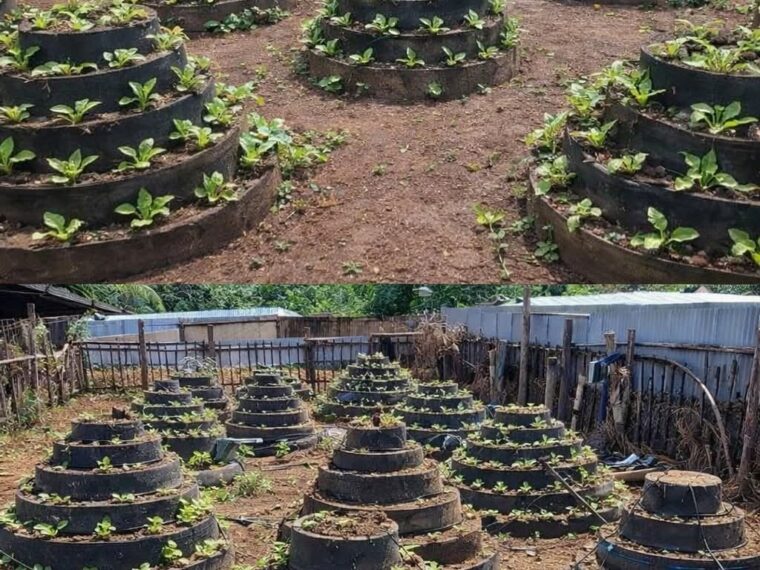
Tiered raised beds are garden beds built in multiple levels, either:
- Stepped upward like stairs
- Stacked vertically in layers
- Curved or pyramid-shaped
Each tier acts as a separate growing area, allowing you to plant more crops in less space while improving accessibility and soil control.
Why Tiered Raised Beds Are So Effective
1. Maximized Planting Density 🌱
By growing upward instead of outward, you:
- Increase total soil surface area
- Fit more plants into the same ground space
- Grow shallow-rooted and deep-rooted plants together
This is ideal for gardeners with limited room.
2. Better Sunlight Exposure ☀️
Tiered beds reduce shading issues:
- Upper tiers receive full sunlight
- Lower tiers still get partial light
- Plants are less crowded
This results in healthier growth and better yields.
3. Improved Drainage and Soil Health
Raised tiers:
- Drain excess water efficiently
- Prevent waterlogging
- Allow you to customize soil for each plant type
Each level can have a different soil mix depending on what you grow.
4. Easier Access and Maintenance
No more bending or kneeling:
- Higher tiers are easier to reach
- Harvesting is simpler
- Weeding takes less effort
This makes tiered beds ideal for seniors and people with limited mobility.
Best Plants for Tiered Raised Beds
You can strategically plant based on root depth and sunlight needs:
Top Tiers (Full Sun, Shallow Roots)
- Lettuce
- Spinach
- Herbs (basil, parsley, cilantro)
- Strawberries
Middle Tiers (Moderate Roots)
- Carrots
- Beets
- Onions
- Radishes
Bottom Tiers (Deep Roots, More Space)
- Tomatoes
- Peppers
- Zucchini
- Eggplants
How to Build Tiered Raised Beds (Basic Steps)
Materials You’ll Need
- Untreated wood, bricks, or stone
- Screws or brackets
- Landscape fabric
- Soil and compost
- Level and measuring tape
Step-by-Step Overview
- Choose the location
Pick a sunny, flat area with good drainage. - Design your tiers
Decide on the number of levels and their height (typically 6–18 inches per tier). - Build the base tier first
Ensure it’s level and stable. - Stack additional tiers
Secure each level firmly before adding the next. - Add drainage and soil
Line with fabric and fill with nutrient-rich soil. - Plant strategically
Match plants to the right tier.
Smart Design Tips
- Keep lower tiers wider for stability
- Use darker materials to retain warmth
- Install drip irrigation for even watering
- Leave space between tiers for airflow
Common Mistakes to Avoid
- Using treated wood (can leach chemicals)
- Overcrowding plants
- Poor drainage planning
- Building tiers too steep or narrow
Sustainability Benefits ♻️
Tiered raised beds:
- Use less land
- Reduce water waste
- Improve soil lifespan
- Encourage intensive, organic gardening
They’re an excellent choice for eco-conscious gardeners.
Final Thoughts
Building raised beds in tiered, vertical layers is one of the most effective ways to maximize planting density and surface area in a small space. With better sunlight, drainage, accessibility, and crop organization, these beds turn even the tiniest garden into a productive oasis.
Whether you’re a beginner or an experienced gardener, tiered raised beds offer beauty, efficiency, and abundance—all in one design.
Disclaimer
This article is for informational purposes only and intended for general gardening guidance.