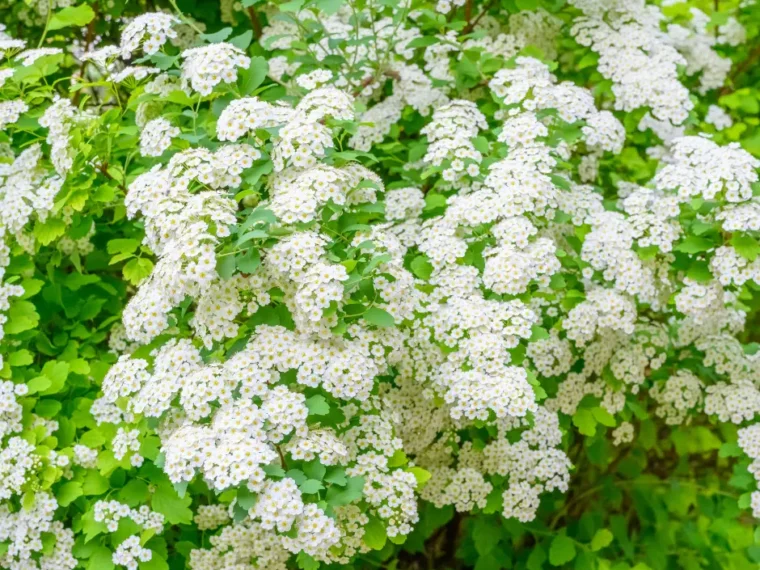
Growing Tips:
- Sunlight: Full sun to partial shade.
- Soil: Well-draining soil.
- How They Self-Seed: The plant produces tiny seeds that easily spread and grow in a variety of conditions.
Benefits of Self-Seeding Plants
- Low Maintenance: Self-seeding plants reduce the need for replanting, saving time and effort.
- Cost-Effective: Once planted, these plants provide endless growth without the need to purchase new seeds.
- Eco-Friendly: By relying on natural cycles, self-seeding plants promote sustainable gardening practices.
- Supports Pollinators: Many self-seeding plants attract bees, butterflies, and other beneficial insects.
- Adds Natural Beauty: The organic spread of self-seeding plants creates a more natural and dynamic garden.
Tips for Managing Self-Seeding Plants
- Control Spread: While self-seeding plants are convenient, they can sometimes spread aggressively. Thin out seedlings or deadhead flowers to manage growth.
- Mark Desired Areas: Mark the areas where you want the plants to grow and remove unwanted seedlings.
- Prepare the Soil: Ensure the soil is healthy and well-drained to support strong plant growth.
- Combine Wisely: Pair self-seeding plants with perennials or shrubs for a balanced garden design.
Incorporating self-seeding plants into your garden is a fantastic way to enjoy continuous blooms with minimal effort.
These plants not only add beauty and color to your space but also support a healthy, biodiverse ecosystem.
By choosing a variety of self-seeding flowers, herbs, and vegetables, you can create a low-maintenance, sustainable garden that thrives year after year.
Enjoy the effortless beauty and bountiful blooms these self-sustaining plants offer, and let nature do the rest!
Pages: 1 2